After a car crash, most people focus on medical care, vehicle damage, and dealing with insurance companies. What often goes unnoticed is how quickly important evidence begins to disappear. Some information is lost within days. Other evidence fades quietly over weeks or months. Once it is gone, it can be impossible to recover.
Insurance claims and injury cases frequently turn on details that are not obvious at the scene. Video footage is overwritten. Vehicles are repaired or totaled. Witnesses become harder to locate. As time passes, the version of events that survives is often shaped less by facts and more by what documentation still exists.
Understanding what evidence disappears quickly—and how to preserve it—can make a meaningful difference in how a claim is evaluated after a car crash.
Key Takeaways
Evidence preservation after a car crash is often overlooked, but it plays a major role in how liability and injuries are assessed. Waiting too long to act can allow important information to vanish before it is ever reviewed.
At a high level, injured people should understand:
- Certain types of crash evidence can be lost within days or weeks
- Video footage, vehicle data, and witness accounts fade quickly
- Insurance companies evaluate claims based on available documentation
- Missing evidence often leads to disputed liability or reduced claim value
- Early steps can help preserve information before it disappears
These realities explain why claims that seem straightforward at first can become difficult when key evidence is no longer available.
Surveillance Footage Disappears Quickly After Colorado Car Crashes
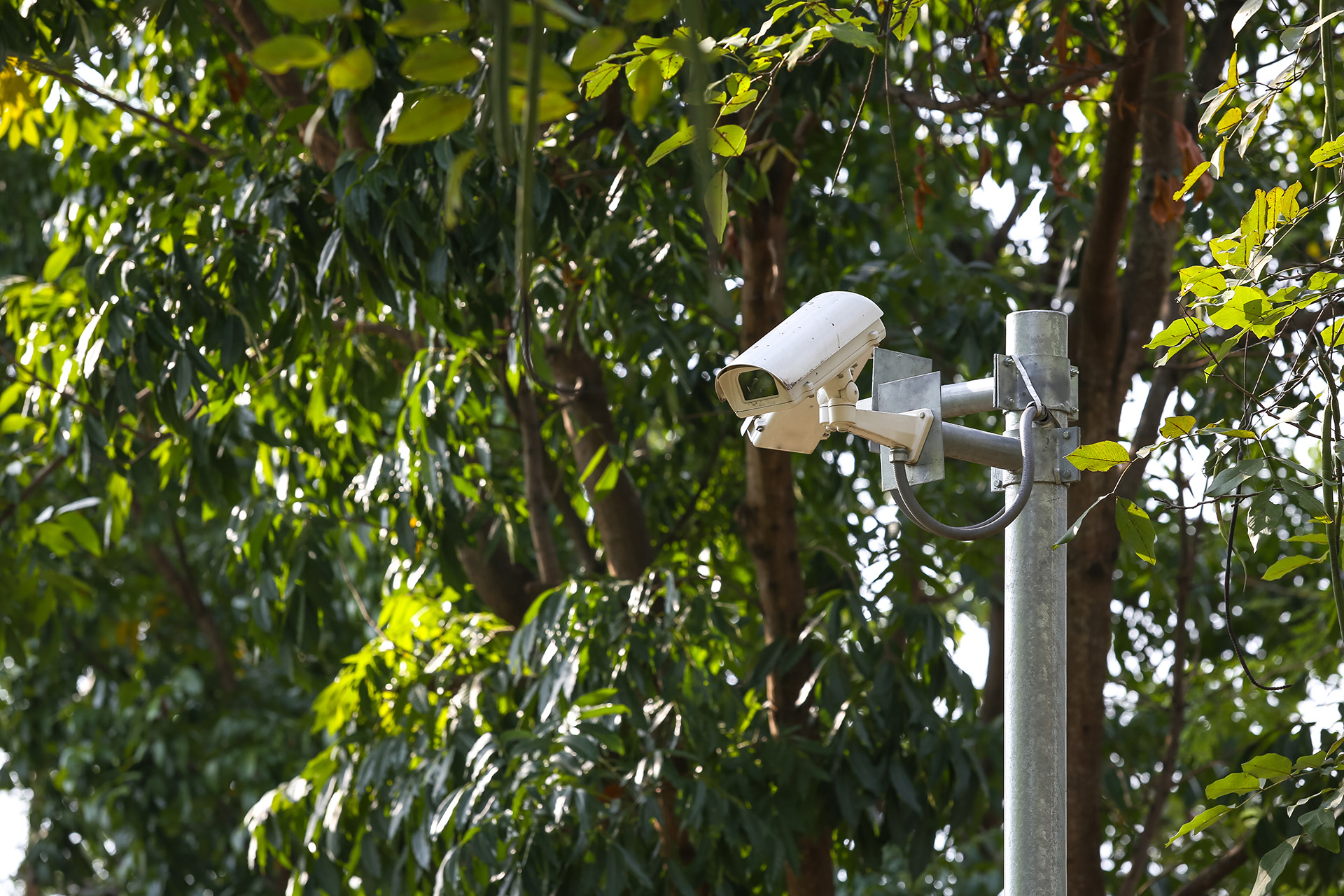
One of the most valuable pieces of evidence after a car crash is video footage. In Colorado, crashes frequently occur near businesses, apartment complexes, parking garages, gas stations, and intersections equipped with private or municipal cameras. Unfortunately, this footage is also some of the first evidence to disappear.
Many businesses across Colorado use surveillance systems that automatically overwrite recordings within days or weeks. Some systems retain footage for as little as 24 to 72 hours. Unless footage is requested promptly, it is often deleted as part of routine system maintenance, long before an insurance claim is fully underway.
This can be especially important in Colorado crashes involving disputed fault. Video footage may show:
- The sequence of events leading up to the crash
- Which driver entered an intersection first
- Whether a vehicle failed to yield or ran a red light
- Traffic flow, weather, and lighting conditions at the time
When this footage is lost, insurers are left to rely on driver statements and police reports, which may be incomplete or contested. Preserving surveillance footage early can eliminate uncertainty and prevent disputes that might otherwise linger.
Vehicle Event Data and Onboard Technology
Many vehicles on Colorado roads are equipped with onboard technology that records information in the moments before and during a car crash. Often referred to as event data recorders or vehicle telematics, these systems can capture details that go far beyond what drivers remember or report.
Vehicle event data may include:
- Vehicle speed
- Braking and throttle input
- Seatbelt use
- Airbag deployment timing
- Steering input in the seconds before impact
This information can be especially important in Colorado car crashes where fault is disputed or where weather, road conditions, or speed are raised as contributing factors. Event data can either confirm or contradict statements made to law enforcement or insurance companies.
However, this data does not remain available indefinitely. Once a vehicle is repaired, driven extensively, or salvaged, the stored data may be overwritten or lost. In crashes where vehicles are declared a total loss, data can be destroyed quickly if preservation steps are not taken before salvage.
Because insurers and repair facilities move quickly after a crash, identifying and preserving vehicle data early is often the only way to ensure it remains available for review. Without it, claims may rely heavily on conflicting statements rather than objective information.
Dash Cams and Personal Video Footage
Dash cams are increasingly common on Colorado roads, particularly among commuters, rideshare drivers, and commercial vehicles. In addition, passengers or bystanders sometimes capture video on their phones in the moments immediately before or after a car crash. This type of footage can provide valuable context that is not captured in written reports.
Dash cam footage may show:
- Traffic signals and signage
- Vehicle positions and lane usage
- Speed and following distance
- Sudden lane changes or failure to yield
Despite its value, dash cam footage is often lost. Many systems record on a continuous loop, automatically overwriting older footage unless it is saved manually. If the vehicle continues to be driven after the crash, the recording from the incident may disappear within hours or days.
In Colorado car crash cases, dash cam footage can be especially useful when weather conditions, visibility, or roadway design are disputed. It can also help clarify events in crashes involving multiple vehicles or unclear points of impact.
Preserving this footage as soon as possible helps ensure it is available before it is overwritten or deleted. Waiting too long often means the opportunity is lost.
Skid Marks, Debris, and Roadway Evidence
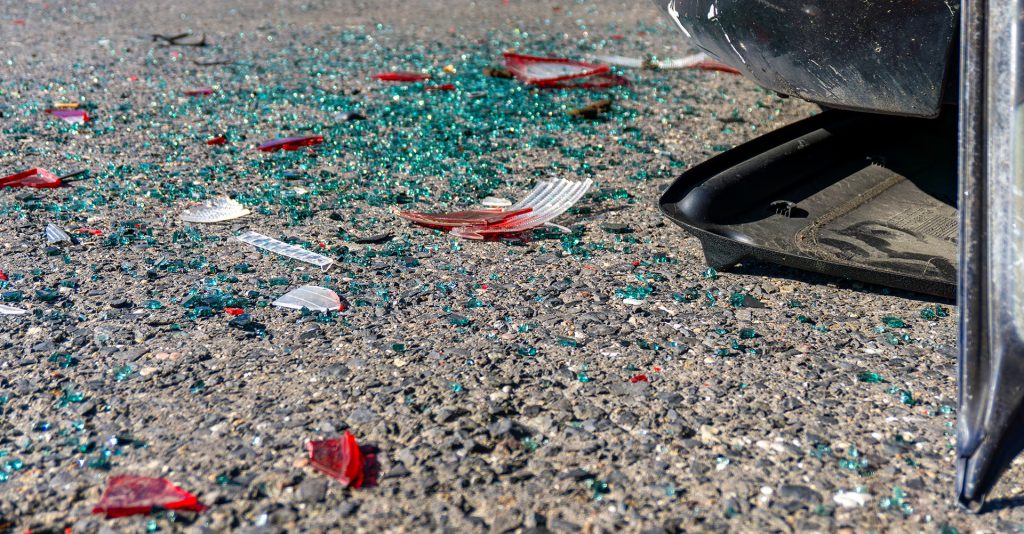
Physical evidence at the crash scene often provides important clues about how a car crash occurred. Skid marks, debris patterns, and vehicle resting positions can help establish speed, direction of travel, braking, and points of impact. However, this type of evidence is among the most short-lived.
On Colorado roadways, physical crash evidence can disappear quickly due to traffic, weather, and road maintenance. Snow, rain, and wind can erase skid marks and scatter debris. Plows, street sweepers, and normal traffic flow can remove or alter evidence within hours of a crash.
This is especially relevant in Colorado’s changing weather conditions, where snow or ice can arrive shortly after a crash and dramatically alter the scene. What existed at the time of impact may look entirely different by the time investigators or insurers return.
Photographs and measurements taken as soon as possible are often the only way to preserve this information. When roadway evidence is lost, insurers and investigators may rely more heavily on estimates and assumptions rather than observable facts.
Witness Memories Fade Quickly
Witness testimony can be an important part of understanding how a car crash occurred, particularly when fault is disputed. In Colorado car crash cases, witnesses often include other drivers, pedestrians, cyclists, or nearby residents and business employees. Their observations can help clarify traffic signals, vehicle behavior, and the sequence of events leading up to the crash.
The challenge is that witness memories fade quickly. Details that seem clear in the immediate aftermath of a crash often become less reliable as time passes. People forget specifics, confuse timelines, or lose confidence in what they saw. In some cases, witnesses move, change phone numbers, or simply become unreachable.
Insurance companies are aware of this reality. When witness statements are delayed or inconsistent, insurers may discount their value or argue that they are unreliable. Early identification and documentation of witness accounts help preserve these observations while they are still fresh.
Prompt follow-up is especially important in Colorado crashes that occur in busy areas, such as intersections, parking lots, or mountain corridors, where witnesses may only be passing through. Once they leave the area, locating them later can be difficult or impossible.
Cell Phone Data and Digital Evidence
Cell phone data can play an important role in determining what happened in the moments leading up to a car crash. In Colorado crash cases, digital evidence is often used to evaluate whether a driver was distracted, navigating, or communicating at the time of impact. This information can help confirm or challenge statements made to law enforcement and insurance companies.
Relevant cell phone data may include:
- Call and text message timestamps
- App usage or screen activity
- GPS or navigation data
- Bluetooth connection logs
This type of evidence does not remain available indefinitely. Wireless carriers typically retain detailed records for limited periods, and app-level data may be overwritten or deleted even sooner. If preservation steps are not taken promptly, access to this information can be lost.
Cell phone data is especially significant in Colorado car crashes involving rear-end collisions, lane departures, or failure-to-yield scenarios, where distraction is often raised as a possible cause. Without digital records, insurers may rely solely on driver statements, which can be incomplete or inaccurate.
Taking early steps to identify and preserve digital evidence helps ensure that claims are evaluated using objective information rather than assumptions.
Medical Records and Injury Documentation
Medical records are one of the most important forms of evidence after a car crash, yet they are often misunderstood. In Colorado car crash claims, insurers rely heavily on medical documentation to evaluate both the existence of injuries and their connection to the crash. Gaps, delays, or inconsistencies in treatment can quickly become points of dispute.
Medical records help establish several key facts, including when symptoms began, how they progressed, and what treatment was required. They also provide context for delayed symptoms, which are common in many crash-related injuries. Without clear documentation, insurers may argue that injuries were unrelated, overstated, or caused by something else.
While medical records are not lost in the same way as video or physical evidence, their value can diminish if treatment is delayed or incomplete. Early evaluation creates a baseline that helps distinguish crash-related injuries from unrelated conditions. Follow-up care and consistent reporting further reinforce that connection.
In Colorado, where insurers often scrutinize treatment timelines closely, thorough and accurate medical documentation can make a meaningful difference in how a claim is assessed.
How to Preserve Evidence After a Colorado Car Crash
Because so much evidence disappears quickly after a car crash, taking early, deliberate steps can help protect information that may later become central to a claim. While injured people are understandably focused on medical care and immediate logistics, preservation often happens in the background—and delays can be costly.
After a Colorado car crash, steps that can help preserve evidence include:
- Photographing the crash scene as soon as it is safe to do so, including vehicle damage, roadway conditions, traffic signs, and surrounding areas
- Identifying nearby businesses, residences, or intersections that may have surveillance cameras and requesting footage promptly
- Avoiding vehicle repairs or salvage until damage has been documented and any onboard data has been evaluated
- Collecting witness names and contact information at the scene or shortly afterward
- Keeping records of medical visits, symptoms, and treatment as they develop
In more complex cases, preservation letters may be necessary to formally notify insurance companies, vehicle owners, or third parties that evidence must be retained. These steps help prevent routine deletion or destruction of information before it can be reviewed.
In Colorado car crash cases where liability is disputed or injuries are questioned, early preservation often determines whether the claim is evaluated based on facts or assumptions.
Frequently Asked Questions
How long is surveillance footage usually kept after a Colorado car crash?It depends on the business or property owner. Many surveillance systems in Colorado overwrite footage within a few days or weeks, and some do so in as little as 24 to 72 hours. If footage is not requested quickly, it is often permanently deleted.
What is vehicle event data, and why does it matter?
Vehicle event data refers to information recorded by a vehicle’s onboard systems, such as speed, braking, and seatbelt use before a crash. In Colorado car crash cases, this data can help confirm or dispute what drivers reported about how the crash occurred.
Can evidence still be preserved if I did not act immediately?
Sometimes, but it becomes more difficult as time passes. Certain types of evidence, such as video footage or digital data, may already be lost. Acting as soon as possible improves the chances that meaningful evidence can still be preserved.
Do I need permission to request surveillance footage?
In many cases, businesses will only release footage to law enforcement or legal counsel. Preservation requests are often the first step to ensure footage is not deleted while access issues are addressed.
Why do insurance companies focus so much on missing evidence?
Insurance companies evaluate claims based on available documentation. When evidence is missing, insurers often rely more heavily on driver statements or assumptions, which can lead to disputed liability or reduced claim values.
Should I keep my damaged vehicle after a crash?
If injuries are involved or fault is disputed, it is often important to document the vehicle and any onboard data before repairs or salvage. Once a vehicle is repaired or destroyed, valuable evidence may be lost.
When should I talk to a lawyer about preserving evidence?
If you were injured in a Colorado car crash and liability or injuries are being questioned, speaking with a lawyer early can help identify what evidence should be preserved and how to prevent it from disappearing.
Why Acting Early Matters After a Colorado Car Crash
Time plays a quiet but decisive role in car crash claims. As days and weeks pass, evidence disappears, memories fade, and digital records are overwritten. Once that happens, even legitimate claims can become difficult to prove, not because the facts are unclear, but because the supporting information no longer exists.
Insurance companies evaluate Colorado car crash claims based on the evidence available to them. When key documentation is missing, they often default to driver statements, assumptions, or generalized defenses. Acting early helps ensure that the claim is grounded in objective information rather than incomplete narratives.
Early action does not mean rushing to conclusions or escalating unnecessarily. It means taking reasonable steps to document what happened, preserve available evidence, and create a clear record before information is lost. In many cases, these early steps prevent disputes that would otherwise arise months later.
If you were injured in a Colorado car crash and have questions about how evidence is being handled, Hoffman Law Firm PC can help evaluate what information should be preserved and how to protect your claim. Speaking with an attorney sooner rather than later can help ensure that important evidence is not lost before it has a chance to be reviewed.