
Top 5 Driving Hazards in Colorado
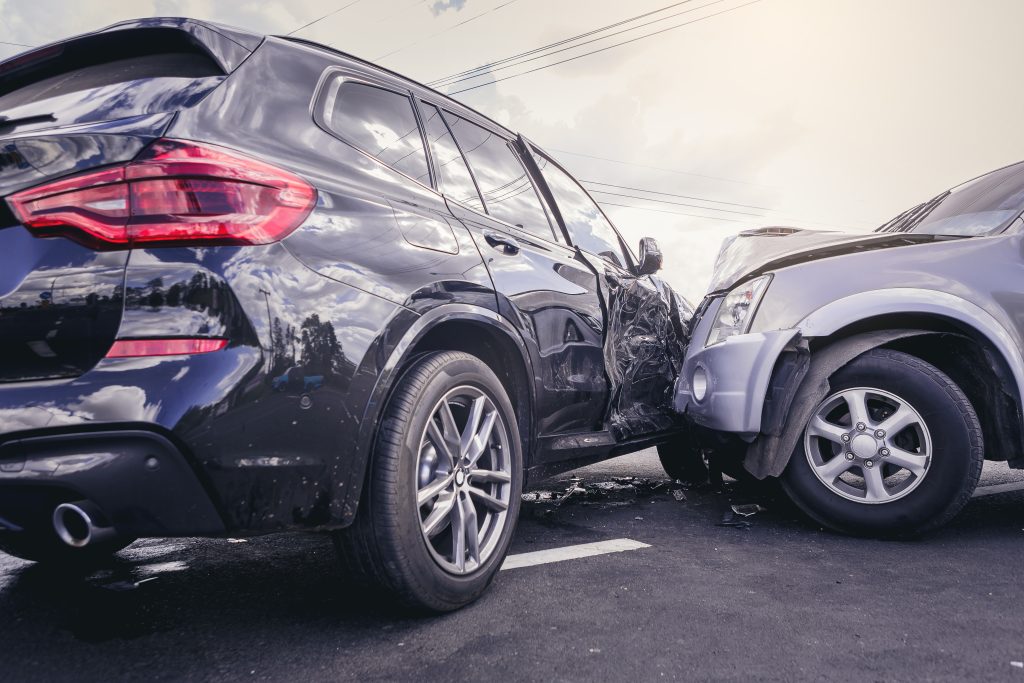
Driving in Colorado offers some of the most scenic views in the country; but those same mountain passes, weather patterns, and traffic conditions can also make it one of the most challenging places to drive safely. Each year, thousands of motorists are injured in crashes that could have been prevented with better awareness and caution.
At Hoffman Law Firm PC, we’ve represented clients across Colorado who were hurt because another driver underestimated the hazards that come with living and driving in this state. Below, we break down the top five causes of Colorado car crashes that we have seen over our long history of representing injured Coloradoans.
Weather and Road Conditions
- Snow, Ice, and Sudden Weather Shifts: Colorado drivers know how quickly the weather can change, sunshine one minute and whiteout conditions the next. Snow and ice are major contributors to winter crashes. Icy bridges, black ice on shaded roads, and wind gusts on mountain passes make it easy to lose control. Even four-wheel-drive vehicles are not immune; all-wheel traction doesn’t improve braking on slick surfaces.
- Hydroplaning and Flooding: In spring and summer, heavy thunderstorms and hail can make roads equally dangerous. Colorado’s sudden downpours often lead to hydroplaning (when tires lose contact with the road surface and the driver loses control).
Distracted Driving- Phones and In-Car Technology
Distracted driving remains one of the leading causes of Colorado car accidents. Despite ongoing public awareness campaigns, distracted drivers continue to injure and kill hundreds of people every year. According to CDOT, distracted driving contributes to over 15,000 crashes annually in Colorado. The most common distractions include:
- Texting or using a smartphone
- Adjusting GPS or in-car displays
- Eating or drinking
- Talking to passengers
The human brain struggles to focus on two demanding tasks at once. When attention shifts from the road for even a few seconds, a vehicle can travel the length of a football field without the driver noticing a hazard.
Impaired Driving – Alcohol, Drugs, and Prescription Medications
Driving under the influence remains a persistent problem throughout Colorado. In 2023, more than 230 people died in impaired-related crashes, representing nearly one-third of all traffic fatalities statewide. While alcohol continues to be a major factor, Colorado’s legalization of marijuana has added another layer of risk. Drivers may underestimate how THC affects reaction time, coordination, and judgment. Prescription medications can also impair alertness or slow decision-making.
Colorado enforces strict DUI and DWAI laws. A driver can be charged with Driving While Ability Impaired (DWAI) with a blood alcohol concentration as low as 0.05%. But even without a criminal conviction, impairment can still form the basis of civil liability in a personal injury case.
Speeding and Aggressive Driving
Many Colorado highways, especially in rural or mountain regions, give drivers a false sense of security. Long stretches of open road tempt motorists to exceed the speed limit, while steep grades make it harder to brake or control a vehicle. CDOT data shows that speeding was the culprit of behind 287 driving fatalities in 2020. On mountain roads, speed magnifies every risk: sharp turns, narrow shoulders, wildlife crossings, and unpredictable weather.
In addition, aggressive and reckless behaviors speeding is often accompanied by other aggressive driving actions, including tailgating, unsafe passing, and weaving through traffic. These behaviors reduce reaction time and increase the severity of impact when collisions occur.
Wildlife and Mountain Driving Hazards
Colorado’s natural beauty comes with natural risks; namely, wildlife on the road. Each year, over 3,000 wildlife collisions are reported statewide. Deer, elk, and even moose often cross roads at dawn and dusk, when visibility is lowest. These crashes can be serious, not only for the animals but also for drivers and passengers.
Mountain driving also presents its own set of hazards. Steep grades can overheat brakes, while high elevations can cause vehicle performance issues. Drivers unfamiliar with mountain passes may underestimate how quickly speed can build on a downhill slope. Runaway truck ramps, sharp switchbacks, and sudden weather changes can all turn a routine drive into a dangerous situation.
Bonus Hazard: Tourist and Seasonal Traffic
While not technically a “natural” hazard, seasonal and tourist traffic contributes heavily to Colorado car accidents — particularly near ski towns and national parks. Out-of-state visitors may be unfamiliar with mountain driving, winter tires, or local laws. Congested roads on weekends and holidays often lead to impatient or distracted driving.
How to Protect Yourself on Colorado Roads
While you can’t control other drivers or the weather, you can reduce your own risk by developing safe driving habits:
- Keep your vehicle well-maintained, including tires and brakes.
- Always wear your seatbelt (Colorado law requires it).
- Avoid driving when fatigued or impaired.
- Follow posted speed limits, especially on curves and downgrades.
- Watch for wildlife and pedestrians, particularly after sunset.
- Plan routes ahead of time and allow extra travel time during bad weather.
How Hoffman Law Firm PC Can Help
At Hoffman Law Firm PC, we’ve seen firsthand how quickly a routine drive can turn into a life-changing event. Our attorneys handle all types of Colorado car accident cases, including those caused by:
- Distracted or impaired drivers
- Dangerous weather or road conditions
- Reckless or aggressive driving
- Improper maintenance or equipment failure
We work with accident reconstruction experts, review dash-cam and surveillance footage, and negotiate with insurance companies to ensure our clients are treated fairly. When you’ve been injured through no fault of your own, you deserve experienced legal help. We don’t just handle your case — we help you rebuild after a crash.
Call Hoffman Law Firm PC Today
If you or a loved one has been injured in a Colorado car accident, don’t face the insurance process alone. Contact Hoffman Law Firm PC for a free consultation today. Our team is ready to listen, investigate, and fight for the compensation you deserve. We handle every case on a contingency-fee basis…you pay nothing unless we win.